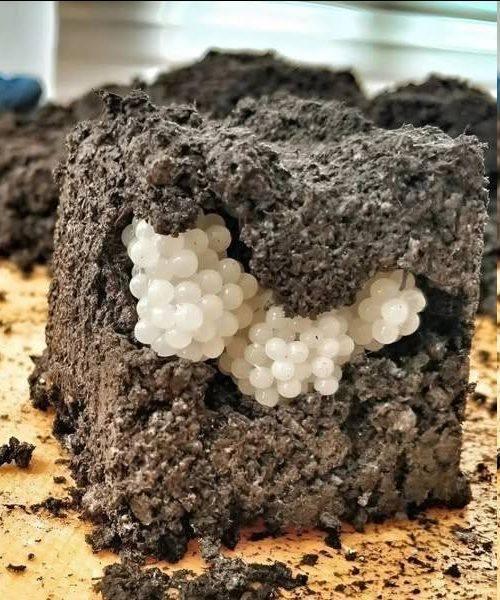
Gardening is usually peaceful and rewarding. Whether you grow flowers, vegetables, herbs, or decorative plants, spending time outdoors often brings a sense of calm and satisfaction. But sometimes nature surprises us in unexpected ways. Many homeowners and gardeners eventually discover unusual things hidden in the soil — mushrooms, insect nests, burrows, strange roots, or mysterious white spheres buried beneath mulch and dirt.
One of the most alarming discoveries people report finding in gardens is clusters of tiny white balls scattered in moist soil. At first glance, these strange objects often look harmless. Some resemble pearls, tiny marbles, translucent beads, or even soft candies hidden underground. However, what appears innocent can sometimes indicate a growing garden problem.
The shocking truth is that these mysterious white balls are often snail eggs, sometimes referred to as “snail caviar.” While they may appear fascinating or even beautiful, they can quickly become a serious issue for gardeners, especially in damp climates where snails reproduce rapidly.
Understanding what these eggs are, why they appear, and how to safely remove them is essential for protecting plants, vegetables, and flower beds from damage.
What Are the White Balls Found in Soil?
Small white spheres discovered in gardens are commonly snail or slug eggs. These eggs are usually:
- Round and smooth
- Milky white or transparent
- Soft or jelly-like
- Clustered together underground
- Found in moist, shaded areas
Snails bury their eggs beneath the surface of the soil to protect them from predators and sunlight. The damp environment helps the eggs survive until they hatch.
Many people mistake them for:
- Fertilizer pellets
- Plastic beads
- Plant food capsules
- Mushroom spores
- Styrofoam particles
- Decorative soil additives
However, closer inspection usually reveals that they are organic, soft, and slightly translucent.
Why Snail Eggs Trigger Concern Among Gardeners
Although snails may seem harmless at first, they can become one of the most destructive garden pests. A single snail can lay dozens of eggs at one time, and several generations may hatch during a single season.
Once the eggs hatch, young snails begin feeding almost immediately. They target:
- Lettuce
- Herbs
- Strawberries
- Hostas
- Spinach
- Seedlings
- Soft flowers
- Vegetable leaves
Because snails feed mostly at night, gardeners often do not realize the extent of the damage until plants become heavily eaten.
Common signs of snail infestation include:
- Holes in leaves
- Slimy trails
- Damaged seedlings
- Missing foliage
- Chewed vegetables
If left untreated, snail populations can expand quickly and overwhelm a garden.
Why Snails Thrive in Gardens
Gardens create ideal conditions for snails because they provide:
- Moisture
- Shade
- Organic matter
- Shelter
- Food sources
Snails particularly love environments with:
- Mulch
- Wet soil
- Dense plants
- Leaf piles
- Damp wood
- Stones and pots
Rainy weather often increases snail activity dramatically.
Overwatering gardens can also encourage egg-laying because snails seek damp locations to reproduce safely.
Understanding the Snail Life Cycle
Knowing how snails reproduce helps explain why their eggs appear so suddenly.
Egg Laying
Adult snails dig shallow holes in moist soil and deposit clusters of eggs. Depending on species, a snail may lay between 30 and 100 eggs at a time.
Incubation
The eggs remain underground for days or weeks depending on temperature and humidity.
Hatching
Baby snails emerge and begin feeding immediately.
Rapid Growth
Young snails mature quickly and can soon reproduce themselves.
This cycle can repeat multiple times during warm seasons, leading to explosive population growth.
Are Snail Eggs Dangerous to Humans?
Most garden snails are not directly dangerous, but some species can carry harmful parasites and bacteria.
Certain invasive snails may transmit parasites capable of causing illnesses in humans or pets. While infections are uncommon, experts recommend avoiding direct contact with snail eggs or slime.
Always use gloves when handling unknown eggs or garden pests.
After touching soil or snails:
- Wash hands thoroughly
- Clean gardening tools
- Avoid touching your face
- Keep pets away from infested areas
Safety precautions are especially important when children play in garden spaces.
How to Identify Snail Eggs Correctly
Snail eggs are commonly confused with other natural objects. Proper identification helps avoid unnecessary panic.
Appearance of Snail Eggs
- White or translucent
- About the size of peas or small pearls
- Slightly gelatinous
- Found in clusters
- Usually underground
Difference Between Snail and Slug Eggs
Slug eggs are often slightly more transparent and irregularly shaped, but both appear similar.
Difference from Fertilizer Pellets
Fertilizer beads are usually hard and perfectly dry, while snail eggs feel soft and moist.
Best Places to Check for Snail Eggs
If you discover one cluster, there may be more nearby.
Inspect areas such as:
- Under flower pots
- Around raised beds
- Beneath mulch
- Near compost piles
- Under rocks
- Around garden edging
- Damp corners of the yard
Snails prefer hidden, protected areas with limited sunlight.
Why Moisture Attracts Snails
Snails require moisture to survive because their bodies dry out easily. Wet environments allow them to move comfortably and avoid dehydration.
After rainfall or irrigation, snails become more active and search for places to feed and reproduce.
Reducing excess moisture is one of the most effective ways to discourage them.
How to Safely Remove Snail Eggs
If you discover snail eggs in your yard, quick removal can help prevent infestation.
Step 1: Wear Protective Gloves
Avoid touching eggs with bare hands.
Step 2: Dig Carefully
Use a small shovel or spoon to remove the cluster completely.
Step 3: Destroy the Eggs
Many gardeners pour boiling water over the eggs to stop them from hatching.
Other disposal methods include:
- Sealing them in a plastic bag
- Freezing them
- Crushing them carefully
Step 4: Clean the Area
Inspect nearby soil for additional egg clusters.
Natural Ways to Prevent Snail Problems
Preventing snails naturally is often more effective than dealing with an infestation later.
Reduce Moisture
Avoid overwatering and water plants early in the morning.
Remove Hiding Spots
Clear debris, leaves, and unnecessary mulch buildup.
Use Copper Barriers
Copper tape can help repel snails naturally.
Encourage Natural Predators
Birds, frogs, beetles, and some insects feed on snails.
Maintain Good Airflow
Trim dense vegetation to reduce damp hiding places.
Organic Garden Solutions for Snails
Many gardeners prefer chemical-free pest control methods.
Popular organic solutions include:
- Crushed eggshell barriers
- Coffee grounds
- Diatomaceous earth
- Beer traps
- Sand barriers
While results vary, combining multiple strategies often works best.
Why Garden Inspections Matter
Routine garden inspections can prevent larger pest problems.
Checking soil regularly helps detect:
- Snail eggs
- Fungal growth
- Insect nests
- Root rot
- Plant disease
Early detection allows gardeners to respond before major damage occurs.
Could the White Balls Be Something Else?
Although snail eggs are common, similar objects may occasionally be:
Fungus or Mushroom Growth
Some fungi produce round white structures.
Slow-Release Fertilizer
Plant food pellets can resemble eggs.
Insect Eggs
Certain insects lay eggs underground.
Animal Droppings
Rarely, small droppings resemble white beads.
If uncertain, comparing photos online or consulting local gardening experts may help identify the object safely.
The Importance of Healthy Garden Maintenance
A clean, balanced garden naturally discourages many pests.
Healthy gardening habits include:
- Proper watering
- Good drainage
- Seasonal cleanup
- Mulch management
- Plant spacing
- Soil monitoring
These simple practices reduce conditions that snails love.
Protecting Vegetable Gardens from Snails
Vegetable gardens are especially vulnerable because snails prefer tender plants.
Protect crops such as:
- Lettuce
- Cabbage
- Basil
- Spinach
- Kale
- Strawberries
Raised beds, copper tape, and regular inspections can help protect edible plants naturally.
Why Snails Multiply So Quickly
Snails reproduce rapidly because:
- Eggs hatch in large numbers
- Young snails mature quickly
- Moist conditions support survival
- Predators may be limited in urban gardens
Ignoring even a small egg cluster can eventually lead to widespread plant damage.
Gardening Awareness Helps Prevent Infestations
Nature constantly changes beneath the soil surface. Many hidden organisms live quietly underground until conditions allow them to emerge.
Paying attention to unusual signs in the garden can help prevent future issues.
Whether it is strange mushrooms, insect activity, or mysterious white eggs, early action protects both plants and soil health.
Final Thoughts on Finding White Balls in Soil
Discovering strange white spheres in your garden can feel unsettling at first, especially when their true identity becomes clear. Snail eggs may look harmless, but they can quickly lead to serious garden damage if left unchecked.
Fortunately, proper identification, safe removal, and good garden maintenance can stop infestations before they spread.
By monitoring moisture levels, inspecting soil regularly, and using natural prevention methods, gardeners can keep plants healthy while reducing unwanted pests naturally.
Sometimes the smallest discoveries hidden beneath the ground reveal the biggest lessons about nature and garden care.
Part 2: Simple Guide for Handling Snail Eggs in the Garden
What You May Find
- Small white or transparent balls in soil
- Soft, jelly-like texture
- Clusters hidden underground or beneath mulch
- Moist, shaded garden areas
Why They Appear
Snails lay eggs in damp soil where the environment stays cool and protected. Gardens with excess moisture and mulch provide ideal breeding conditions.
Supplies Needed
- Gardening gloves
- Small shovel or spoon
- Boiling water
- Plastic disposal bag
- Soap and water for cleanup
Simple Removal Instructions
Step 1: Protect Your Hands
Put on gloves before touching unknown objects in the soil.
Step 2: Remove the Egg Cluster
Carefully dig around the white balls and lift the entire group from the ground.
Step 3: Destroy the Eggs
Pour boiling water over the eggs or seal them in a bag for disposal.
Step 4: Inspect Nearby Soil
Look around the surrounding area for additional egg clusters.
Step 5: Clean the Area
Wash gardening tools and hands thoroughly after handling.
Prevention Tips
- Avoid excessive watering
- Remove wet leaves and debris
- Improve garden drainage
- Inspect soil regularly
- Use copper barriers around plants
- Keep mulch layers thin
Warning Signs of Snail Activity
- Slimy trails on plants
- Holes in leaves
- Damaged seedlings
- Missing vegetables or flowers