Among the world’s most beautiful desserts, Pavlova stands out as a true showstopper. With its delicate crisp exterior, pillowy marshmallow-like center, silky whipped cream, and vibrant fresh fruit toppings, this classic meringue dessert offers an irresistible combination of texture, flavor, and visual appeal.
Whether served at a summer gathering, holiday celebration, birthday party, bridal shower, afternoon tea, or elegant dinner, Pavlova consistently impresses guests while requiring only a handful of everyday ingredients. The contrast between the crunchy shell and soft center creates a unique dessert experience that feels both luxurious and refreshingly light.
In recent years, homemade Pavlova has become one of the most searched dessert recipes online. Food enthusiasts love its bakery-style appearance, naturally gluten-free composition, and endless decorating possibilities. From fresh berries and tropical fruits to chocolate drizzles and edible flowers, Pavlova serves as a beautiful canvas for creativity.
Unlike dense layer cakes, rich cheesecakes, or buttery pastries, Pavlova provides a lighter alternative that still satisfies sweet cravings. Its airy texture makes it especially enjoyable after large meals, and its versatility allows it to fit seamlessly into every season.
Why This Elegant Dessert Continues to Win Hearts
The enduring popularity of Pavlova comes from its perfect balance of simplicity and sophistication. Despite its professional appearance, the recipe relies on basic pantry ingredients and straightforward techniques.
Here are some reasons why home bakers continue to adore Pavlova:
Light Yet Satisfying Texture
One of Pavlova’s greatest strengths is its remarkable texture. The outer shell develops a delicate crispness during baking, while the center remains soft, chewy, and slightly marshmallow-like. This contrast makes every bite memorable.
Stunning Presentation
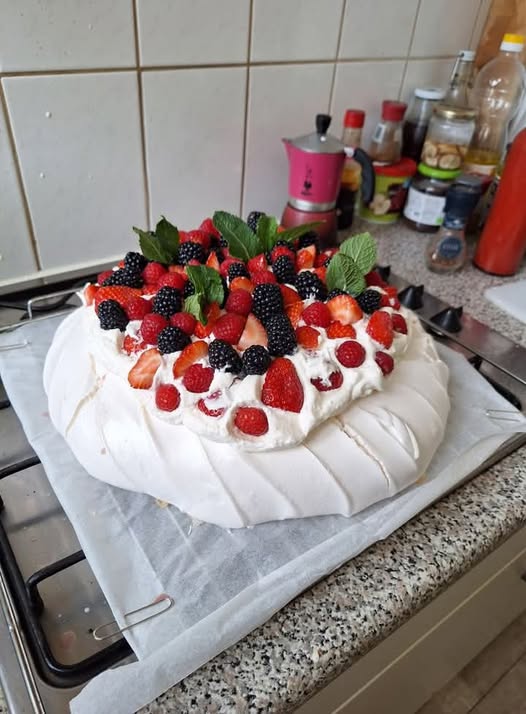
A finished Pavlova naturally becomes the centerpiece of any dessert table. The bright colors of fresh fruits against the white meringue create a striking visual display that photographs beautifully for social media and special occasions.
Budget-Friendly Ingredients
Most Pavlova recipes require ingredients already found in many kitchens, making it an affordable dessert that delivers impressive results without expensive specialty products.
Suitable for Various Celebrations
From casual family gatherings to formal events, Pavlova adapts effortlessly to different occasions. It can be dressed up for weddings or kept simple for weekend desserts.
Endless Customization Options
The neutral flavor of the meringue base pairs beautifully with countless toppings and flavor combinations, allowing bakers to personalize the dessert according to season and preference.
A Brief Look at Pavlova’s Fascinating History
This beloved dessert is widely associated with the famous Russian ballerina Anna Pavlova, whose international tours inspired chefs during the early twentieth century. The dessert was reportedly created to honor her elegance, grace, and lightness on stage.
Both Australia and New Zealand proudly claim Pavlova as part of their culinary heritage, and discussions regarding its precise origin continue today. Regardless of where it first appeared, Pavlova has become an internationally recognized dessert enjoyed around the globe.
Its delicate structure and airy appearance beautifully reflect the qualities associated with classical ballet, making the dessert’s name particularly appropriate.
Understanding What Makes Pavlova Unique
At first glance, Pavlova may resemble traditional meringue. However, several characteristics distinguish it from standard meringue cookies.
A properly prepared Pavlova features:
- A crisp, delicate outer crust
- A soft marshmallow-like interior
- A slightly chewy center
- Fresh cream topping
- Seasonal fruit garnish
Traditional meringues are typically crunchy throughout. Pavlova intentionally preserves moisture within the center, creating a delightful contrast between crispness and softness.
The Essential Components Behind a Successful Pavlova
Each ingredient serves a specific purpose and contributes to the dessert’s signature texture.
Egg Whites: The Foundation of the Dessert
Egg whites are responsible for creating the airy structure that defines Pavlova. When whipped correctly, they trap tiny air bubbles, producing volume and stability.
For best results, allow egg whites to reach room temperature before whipping, as they generally achieve greater volume than cold egg whites.
Fine Caster Sugar
Caster sugar dissolves smoothly into the whipped egg whites, creating a glossy and stable meringue. It also helps develop the crisp outer shell during baking.
White Vinegar
A small amount of vinegar assists in stabilizing the egg white structure while encouraging the soft interior texture that distinguishes Pavlova from ordinary meringue.
Cornstarch
Cornstarch contributes to the dessert’s characteristic marshmallow-like center by helping retain softness inside the shell.
Pure Vanilla Extract
Vanilla enhances the flavor profile and provides a warm, inviting aroma that complements both cream and fruit toppings.
Heavy Whipping Cream
Freshly whipped cream introduces richness and balances the sweetness of the meringue, creating a harmonious dessert.
Fresh Seasonal Fruits
Fruit provides natural sweetness, refreshing acidity, vibrant color, and textural contrast that elevate the overall experience.
Best Fruits for Decorating Pavlova
One reason Pavlova remains so versatile is its compatibility with numerous fruits.
Excellent topping choices include:
- Strawberries
- Kiwi
- Mango
- Blueberries
- Raspberries
- Blackberries
- Cherries
- Pineapple
- Peaches
- Passionfruit
- Pomegranate seeds
- Dragon fruit
- Nectarines
The natural tartness found in many fruits helps balance the sweetness of the meringue, resulting in a refreshing and well-rounded dessert.
Professional Tips for Consistently Great Results
Although the ingredient list is short, attention to detail plays a major role in success.
Ensure Equipment Is Spotless
Any traces of grease, oil, or moisture can interfere with the whipping process and prevent proper volume development.
Separate Eggs Carefully
Even a tiny amount of yolk may reduce the ability of egg whites to whip effectively.
Add Sugar Gradually
Slow incorporation allows the sugar to dissolve fully, resulting in a smoother and more stable meringue.
Whip to Stiff Peaks
The mixture should appear glossy and thick while holding firm peaks when the whisk is lifted.
Bake Slowly
Low-temperature baking encourages gradual drying of the exterior while preserving the soft interior.
Cool Gently
Allowing the Pavlova to cool gradually helps minimize cracking and structural collapse.
Common Pavlova Challenges and Solutions
Cracked Surface
Small cracks are perfectly normal and often add rustic charm. Significant cracking may result from rapid cooling or sudden temperature changes.
Sticky Exterior
High humidity levels or insufficient baking time can cause stickiness.
Collapsed Center
Improper whipping techniques or instability within the meringue can lead to collapse.
Moisture Weeping
Undissolved sugar crystals sometimes release liquid after baking, creating unwanted moisture.
Why Homemade Pavlova Surpasses Store-Bought Desserts
Freshly baked Pavlova offers a texture that commercial versions rarely replicate. The contrast between crisp shell and soft center is best experienced shortly after preparation.
Homemade Pavlova also allows complete control over:
- Sweetness levels
- Ingredient quality
- Fruit selection
- Presentation style
- Portion size
- Flavor combinations
The freshness of whipped cream and fruit toppings significantly enhances flavor compared to pre-made alternatives.
Creative Flavor Variations to Explore
Decadent Chocolate Pavlova
Add cocoa powder to the meringue mixture and finish with chocolate shavings or chocolate ganache.
Tropical Paradise Pavlova
Top with mango, pineapple, toasted coconut flakes, and passionfruit pulp.
Mixed Berry Celebration
Layer strawberries, raspberries, blueberries, and blackberry coulis for a colorful berry feast.
Citrus Sunshine Pavlova
Use lemon curd, orange zest, and fresh berries for a bright and refreshing dessert.
Coffee Lover’s Pavlova
Infuse whipped cream with espresso powder and garnish with chocolate curls.
Nutty Gourmet Version
Add crushed pistachios, almonds, or hazelnuts for extra texture and flavor.
Decorating Ideas That Elevate Presentation
A beautifully decorated Pavlova can rival professional bakery creations.
Try these elegant finishing touches:
- Layer fruit in colorful patterns
- Drizzle berry coulis
- Add chocolate sauce
- Sprinkle crushed pistachios
- Garnish with edible flowers
- Dust lightly with powdered sugar
- Add fresh mint leaves
- Include citrus zest for color and aroma
Even simple arrangements can transform Pavlova into a spectacular dessert centerpiece.
Perfect Occasions for Serving Pavlova
This versatile dessert suits numerous events, including:
- Birthday parties
- Wedding celebrations
- Bridal showers
- Holiday gatherings
- Summer picnics
- Family dinners
- Afternoon tea parties
- Anniversary meals
- Baby showers
- Festive dessert buffets
Because it feels light and refreshing, it is especially appreciated after rich meals.
Storage Guidelines for Maximum Freshness
Before Decorating
Store the baked Pavlova shell in an airtight container at room temperature for up to two days.
After Adding Toppings
For optimal texture and appearance, consume within twenty-four hours of decorating.
Avoid Excess Refrigeration
Extended refrigeration can soften the crisp shell due to moisture absorption.
Nutritional Perspective
Compared to many butter-heavy desserts, Pavlova often feels lighter and less dense. Fresh fruit contributes vitamins, minerals, antioxidants, and natural sweetness.
To create a lighter version:
- Reduce powdered sugar in the cream
- Incorporate extra fruit
- Substitute part of the cream with Greek yogurt
- Serve smaller individual portions
Why Pavlova Is a Smart Choice for Entertaining
One of Pavlova’s greatest advantages is its ability to create a dramatic presentation without requiring advanced baking expertise.
The shell can be prepared ahead of time, allowing hosts to focus on decorating shortly before guests arrive. This convenience makes Pavlova particularly useful for entertaining.
Seasonal adaptability further enhances its appeal:
- Summer: berries and stone fruits
- Spring: tropical fruits
- Autumn: figs and pears
- Winter: citrus fruits and pomegranate
Final Thoughts
Pavlova continues to earn its place among the world’s most beloved desserts thanks to its extraordinary texture, elegant appearance, and refreshing flavor profile. The crisp shell, soft marshmallow center, fluffy cream, and fresh fruit toppings combine to create a dessert that feels both indulgent and light.
Whether you’re preparing a special celebration centerpiece or simply exploring homemade baking, Pavlova offers an excellent opportunity to create something truly memorable. Once you master the basic technique, endless topping combinations and flavor variations allow you to make this timeless dessert uniquely your own.
Part 2: Easy Homemade Pavlova Recipe
Classic Crispy Pavlova with Fresh Fruit
Preparation Time
20 minutes
Baking Time
1 hour 15 minutes
Cooling Time
1 hour
Total Time
Approximately 2 hours 35 minutes
Yield
4–6 servings
Ingredients
For the Meringue Base
- 4 large egg whites, at room temperature
- 1 cup (200g) fine caster sugar
- 1 teaspoon white vinegar
- 1 teaspoon cornstarch
- 1 teaspoon pure vanilla extract
- Pinch of salt
For the Topping
- 1 cup chilled heavy whipping cream
- 2 tablespoons powdered sugar
- Fresh strawberries, sliced
- Fresh kiwi, sliced
- Fresh mango cubes
- Fresh blueberries
- Optional passionfruit pulp
- Optional chocolate drizzle
Method
Step 1: Prepare for Baking
Heat the oven to 250°F (120°C). Line a baking tray with parchment paper.
Step 2: Whip the Egg Whites
Place egg whites and salt in a clean mixing bowl. Beat until soft peaks begin to form.
Step 3: Incorporate the Sugar
Add caster sugar gradually while continuously beating. Continue mixing until the meringue becomes glossy, thick, and forms stiff peaks.
Step 4: Add Flavor and Stability
Gently fold in the vanilla extract, vinegar, and cornstarch until evenly combined.
Step 5: Form the Pavlova
Transfer the mixture onto the prepared tray. Shape into a round nest with slightly raised edges.
Step 6: Bake Slowly
Bake for approximately 1 hour and 15 minutes until the exterior feels dry and crisp.
Step 7: Cool Gradually
Turn off the oven and leave the Pavlova inside with the door slightly open until completely cooled.
Step 8: Make the Cream Topping
Whip the chilled cream with powdered sugar until soft peaks form.
Step 9: Decorate
Spread the whipped cream over the cooled Pavlova and arrange the fruit attractively on top.
Step 10: Serve
Slice gently and serve immediately for the best texture and flavor.
Serving Ideas
- Enjoy with hot tea or freshly brewed coffee.
- Drizzle with berry sauce for extra flavor.
- Serve chilled on warm summer days.
- Create mini Pavlovas for parties and special events.
- Garnish with mint leaves for an elegant finish.