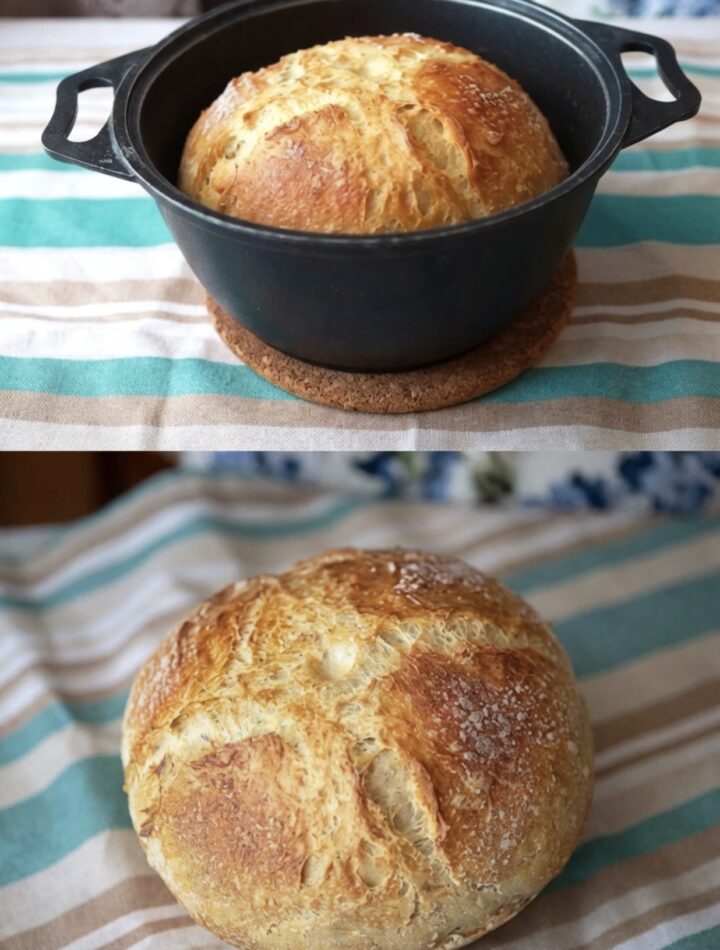
Few things in the world compare to the comforting aroma of freshly baked homemade bread filling the kitchen. Warm, golden, soft, and perfectly fluffy, homemade bread is one of the most rewarding recipes any home baker can master. Whether you are making sandwiches, breakfast toast, garlic bread, or enjoying a warm slice with butter, this classic homemade bread recipe delivers rich flavor, soft texture, and irresistible freshness every single time.
In today’s world of store-bought packaged loaves filled with preservatives and additives, more people are returning to traditional baking methods and searching for “best homemade bread recipe,” “easy yeast bread,” and “soft sandwich bread recipe.” Homemade bread not only tastes better, but it also allows complete control over ingredients, texture, sweetness, and freshness.
This easy bread recipe is ideal for beginners while still producing bakery-quality results that experienced bakers appreciate. The combination of flour, yeast, warm water, sugar, oil, and salt creates a perfectly balanced loaf with a tender crumb and lightly golden crust. It is simple enough for everyday baking but delicious enough for special family meals and holiday dinners.
One of the reasons homemade bread remains so popular is because it transforms basic pantry ingredients into something incredibly comforting and satisfying. Bread baking has long been associated with warmth, hospitality, and family tradition. A freshly baked loaf cooling on the kitchen counter instantly makes a home feel inviting and peaceful.
Unlike complicated artisan breads that require advanced fermentation methods, this traditional homemade bread recipe focuses on simplicity and dependable results. Even if you have never worked with yeast before, this recipe can help you create soft, fluffy bread successfully on your very first attempt.
The beauty of homemade bread lies in its versatility. It can be served in countless ways throughout the day. Toast it for breakfast, use it for sandwiches at lunch, or pair it with soups and pasta at dinner. You can even turn leftover slices into French toast, bread pudding, or homemade croutons.
Another major reason people love homemade bread is the texture. Freshly baked bread has a softness and freshness that simply cannot be matched by packaged supermarket loaves. The crust is delicate yet flavorful, while the inside remains airy and moist.
Why Homemade Bread Is Better Than Store-Bought
Many people are now searching for healthier homemade alternatives to processed foods. Homemade bread gives you full control over ingredients while avoiding unnecessary preservatives and artificial flavors commonly found in commercial breads.
Here are some reasons homemade bread stands out:
- Fresh flavor and aroma
- No artificial preservatives
- Softer texture
- Better nutritional control
- Budget-friendly baking
- Perfect for meal prep
- Customizable ingredients
Freshly baked bread also tends to stay softer naturally because it contains wholesome ingredients prepared with care.
The Secret to Soft and Fluffy Bread
Achieving soft homemade bread depends on understanding how each ingredient works together.
Yeast Creates the Rise
Yeast is the heart of bread baking. It feeds on sugar and releases carbon dioxide, which causes the dough to rise and develop its airy texture.
Proper yeast activation is extremely important. Warm water between 110°F and 115°F creates the perfect environment for yeast growth.
Sugar Enhances Flavor
Sugar not only sweetens the bread slightly but also feeds the yeast and contributes to browning during baking. This creates the beautiful golden crust associated with classic homemade bread.
Oil Adds Moisture
Vegetable oil or melted butter helps create a soft and tender crumb. Fat also keeps the bread fresher for a longer period.
Flour Builds Structure
All-purpose flour provides the structure necessary for soft sandwich bread. Bread flour can also be used for a slightly chewier texture with stronger gluten development.
Understanding Bread Dough Texture
One of the most important skills in bread making is learning how dough should feel. Bread dough should be soft, slightly tacky, and elastic without sticking heavily to your hands.
Adding too much flour is one of the most common mistakes beginners make. Excess flour creates dense, dry bread instead of soft and fluffy loaves.
A properly mixed dough becomes smooth and stretchy after kneading.
Why Kneading Matters
Kneading develops gluten, which gives bread structure and elasticity. As the dough is folded and pressed repeatedly, gluten strands strengthen and trap air bubbles produced by yeast.
This process creates the airy texture that makes homemade bread light and fluffy.
You can knead bread dough by hand or with a stand mixer fitted with a dough hook. Both methods work well as long as the dough becomes smooth and elastic.
The Importance of Rising Time
Bread baking requires patience. Allowing the dough enough time to rise is essential for texture and flavor development.
First Rise
During the first rise, the yeast becomes active and fills the dough with air pockets. The dough should roughly double in size.
Second Rise
After shaping the loaves, a second rise helps create height and softness before baking.
Warm environments speed up rising while colder kitchens may require additional time.
Baking Homemade Bread Successfully
Baking transforms the risen dough into a beautifully golden loaf with soft texture and rich flavor.
The heat of the oven causes the dough to rise rapidly during the first few minutes of baking, a process known as oven spring. As the crust forms, the bread develops its signature structure.
A perfectly baked loaf should:
- Have a golden-brown crust
- Sound hollow when tapped
- Feel light for its size
- Slice easily after cooling
Why Homemade Bread Smells So Good
The aroma of baking bread comes from a combination of yeast fermentation, caramelized sugars, and toasted flour proteins. Few kitchen smells feel as comforting and nostalgic as fresh bread straight from the oven.
For many families, homemade bread represents tradition, comfort, and togetherness.
Best Ways to Enjoy Homemade Bread
One loaf of homemade bread can create countless delicious meals and snacks.
Toast with Butter
Simple warm toast with butter is one of the best ways to enjoy fresh bread.
Homemade Sandwiches
The soft texture makes this bread perfect for sandwiches filled with turkey, ham, tuna salad, or grilled vegetables.
French Toast
Slightly thick slices absorb custard beautifully for homemade French toast.
Garlic Bread
Brush slices with garlic butter and toast for a delicious pasta side dish.
Bread Pudding
Older bread can be transformed into classic bread pudding desserts.
Tips for Perfect Bread Every Time
Measure Ingredients Carefully
Too much flour can affect softness and rise.
Use Fresh Yeast
Expired yeast may fail to activate properly.
Avoid Water That Is Too Hot
High temperatures can kill yeast cells.
Do Not Rush the Process
Allow enough time for proper rising and flavor development.
Cool Bread Before Slicing
Cutting bread while too hot can create a gummy texture.
Easy Bread Variations
Once you master basic homemade bread, you can customize the recipe in many ways.
Honey Bread
Replace some sugar with honey for natural sweetness.
Herb Bread
Add dried herbs like rosemary, oregano, or thyme.
Whole Wheat Bread
Substitute some all-purpose flour with whole wheat flour.
Cheese Bread
Mix shredded cheddar or parmesan into the dough.
Cinnamon Swirl Bread
Add cinnamon sugar layers for sweet breakfast bread.
Homemade Bread for Meal Prep
Fresh bread can be stored for several days and used in multiple meals throughout the week.
Storage Tips:
- Keep in airtight bags
- Store at room temperature
- Freeze extra loaves for later use
Homemade bread freezes surprisingly well and can maintain freshness for months when wrapped properly.
Common Homemade Bread Mistakes
Dense Bread
Usually caused by too much flour or insufficient rising.
Bread Not Rising
Often due to expired yeast or cold temperatures.
Tough Crust
May happen from overbaking or insufficient fat in the dough.
Sticky Dough
Usually corrected with small additions of flour during kneading.
Nutritional Benefits of Homemade Bread
Homemade bread offers better ingredient transparency compared to processed breads. It contains:
- Carbohydrates for energy
- Small amounts of protein
- Controlled sugar levels
- Fewer preservatives
You can also adapt homemade bread recipes to suit specific dietary preferences.
The Comfort of Traditional Bread Baking
Bread baking has been part of human history for thousands of years. Homemade bread symbolizes warmth, nourishment, and hospitality across cultures.
Making bread from scratch can also be relaxing and therapeutic. Kneading dough, watching it rise, and smelling fresh bread in the oven creates a deeply satisfying kitchen experience.
Many people who begin baking bread at home discover that it becomes a favorite weekly tradition.
Whether you are baking for your family, preparing school lunches, or simply enjoying warm slices with butter, homemade bread always delivers comfort and flavor in every bite.
Part 2: Easy Homemade Bread Recipe
Ingredients
- 6 to 7 cups all-purpose flour
- 2 cups warm water (110°F to 115°F)
- 1/2 cup granulated sugar
- 1 1/2 tablespoons active dry yeast
- 1/4 cup vegetable oil
- 2 teaspoons salt
Optional Add-Ins:
- Melted butter for brushing
- Honey for added sweetness
- Bread flour for extra chewiness
Instructions
Step 1: Activate the Yeast
In a large bowl, combine warm water and sugar. Stir until dissolved. Sprinkle yeast on top and let rest for 5–10 minutes until foamy.
Step 2: Mix the Dough
Add vegetable oil and salt. Slowly stir in flour one cup at a time until a soft dough forms.
Step 3: Knead the Dough
Transfer dough to a lightly floured surface and knead for 6–8 minutes until smooth and elastic.
Step 4: First Rise
Place dough into a greased bowl and cover. Let rise in a warm spot for 1–1½ hours until doubled in size.
Step 5: Shape the Loaves
Punch down the dough and divide into two equal sections. Shape each into a loaf.
Step 6: Second Rise
Place loaves into greased 9×5-inch bread pans. Cover loosely and let rise again for 30–45 minutes.
Step 7: Bake the Bread
Preheat oven to 350°F (175°C). Bake for 25–30 minutes until golden brown and hollow-sounding when tapped.
Step 8: Cool and Serve
Remove bread from pans and cool completely on wire racks before slicing.
Helpful Baking Tips
- Use fresh active dry yeast
- Do not over-flour the dough
- Brush tops with butter for softer crust
- Store in airtight bags for freshness
Approximate Nutrition Per Slice
- Calories: 180
- Carbohydrates: 33g
- Protein: 5g
- Fat: 3g
- Fiber: 1g